A few years ago, I was called to hold the position of Art Director at Jim Thompson, a fashion and interior brand based in Bangkok.
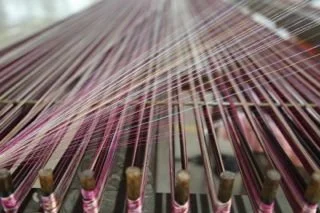
A few years ago, I was called to hold the position of Art Director at Jim Thompson, a fashion and interior brand based in Bangkok.
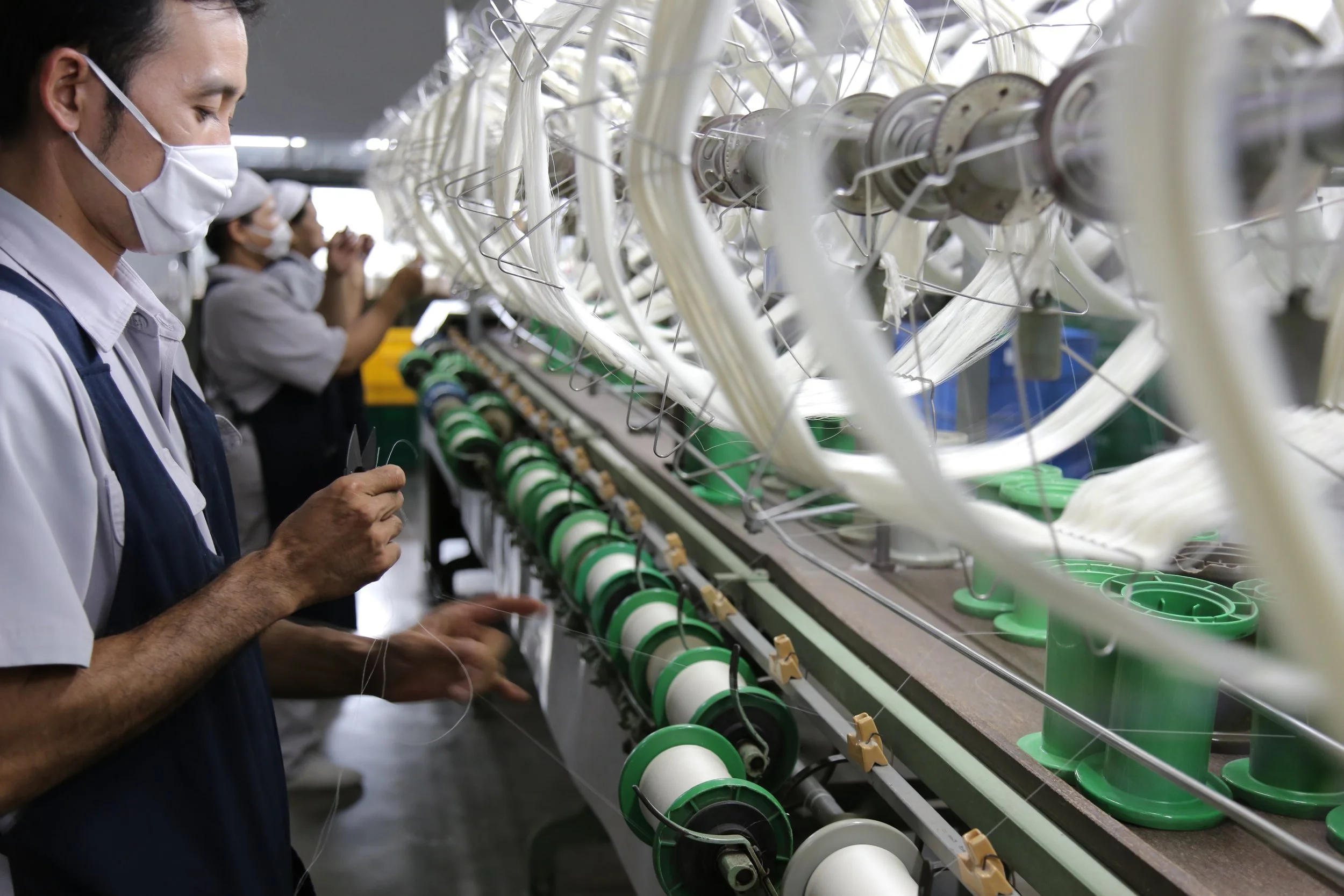
During the 1950s and 60s, Mr. Jim Thompson, with his fine eye for beauty, propelled the then dying silk tradition of Thailand back onto the path of fame. Well after his mysterious death in Malaysia's Cameron Highlands, the brand embarked on decades of undeniable fashion and interior success, polished by years of marketing built around Mr. Thompson's life, his myth, his mystery.
Sifting through the racks of vintage collections, I travelled back to the Bangkok of the 1950s where he lived his flamboyant lifestyle in a traditional Thai house on the Klong, now made into a museum. Hispresence still palpable all around. Table dressed in the dining room as if guests were expected to walk in for another of his famous parties. The clink of cocktail glasses. The air charged with the intoxicating perfumes of the garden's tropical flowers mixing with the vapours of alcohol. Silk caftans floating in the breeze on the golden tan of women's sweaty skins. The buoyant silk drapes shining under the lantern lights, illuminating the night.
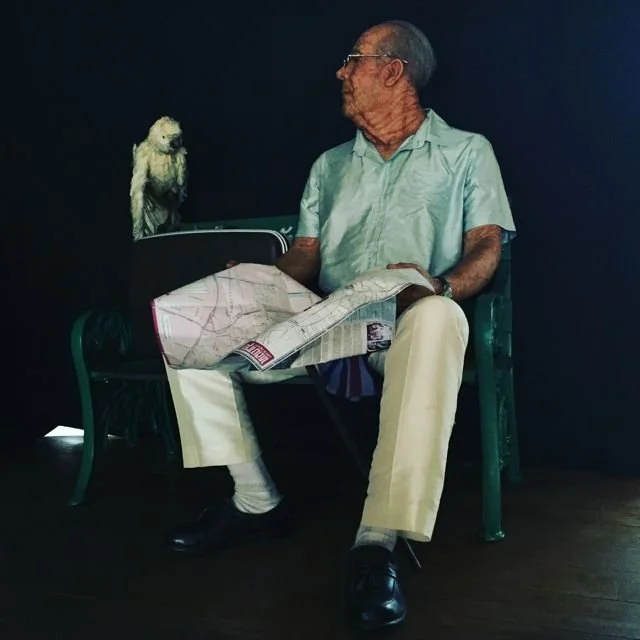
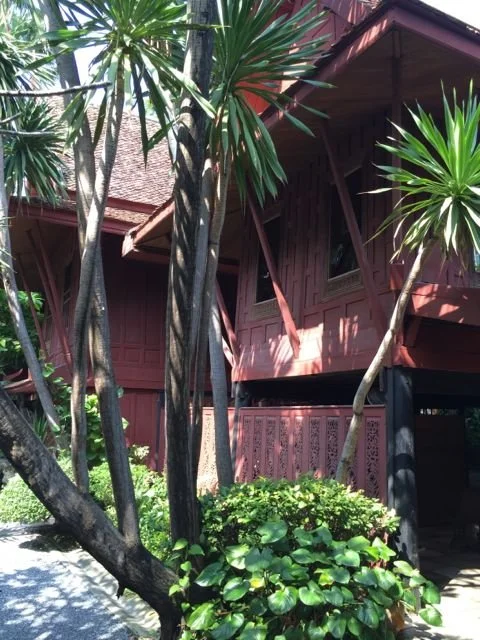

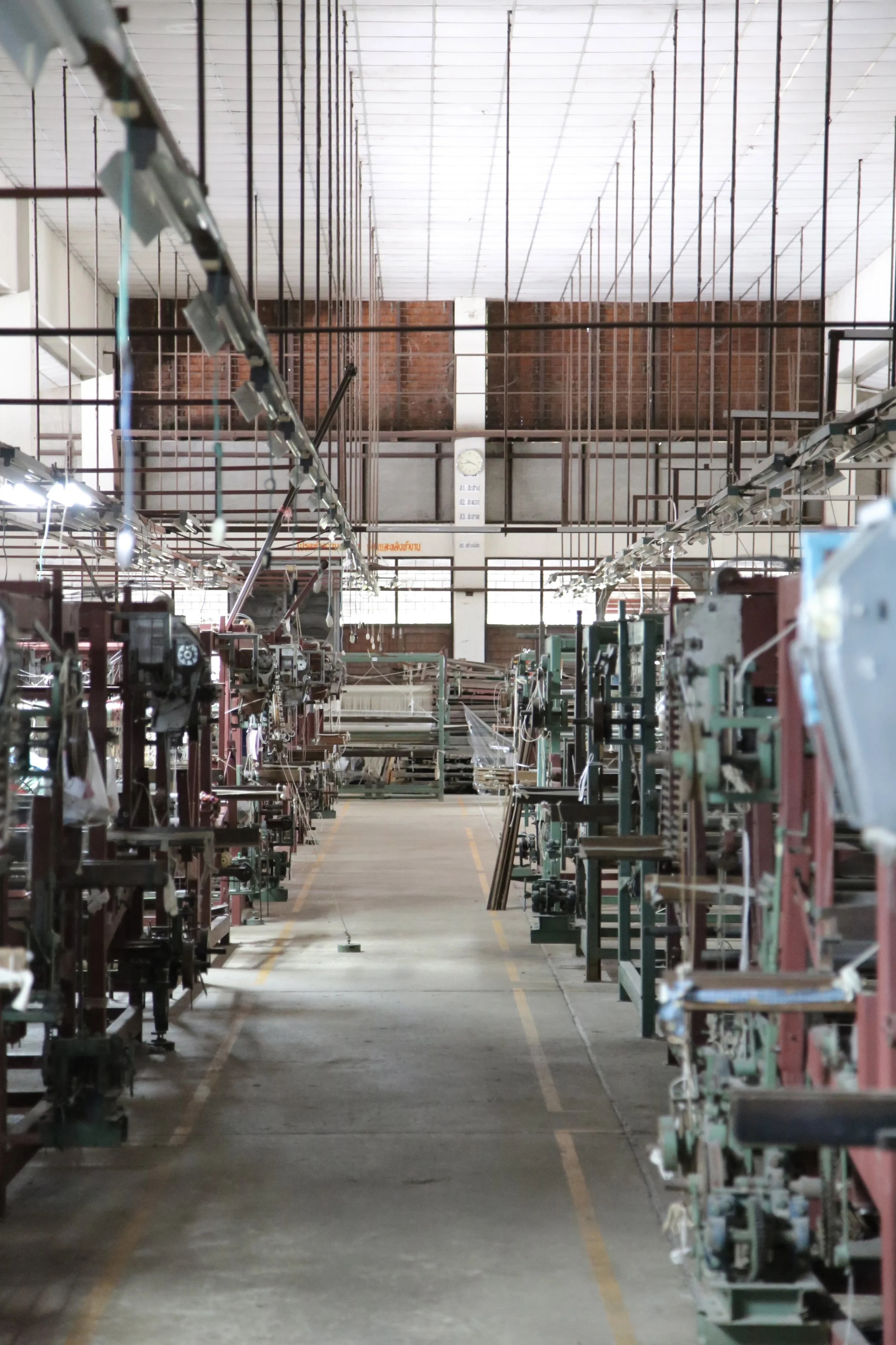
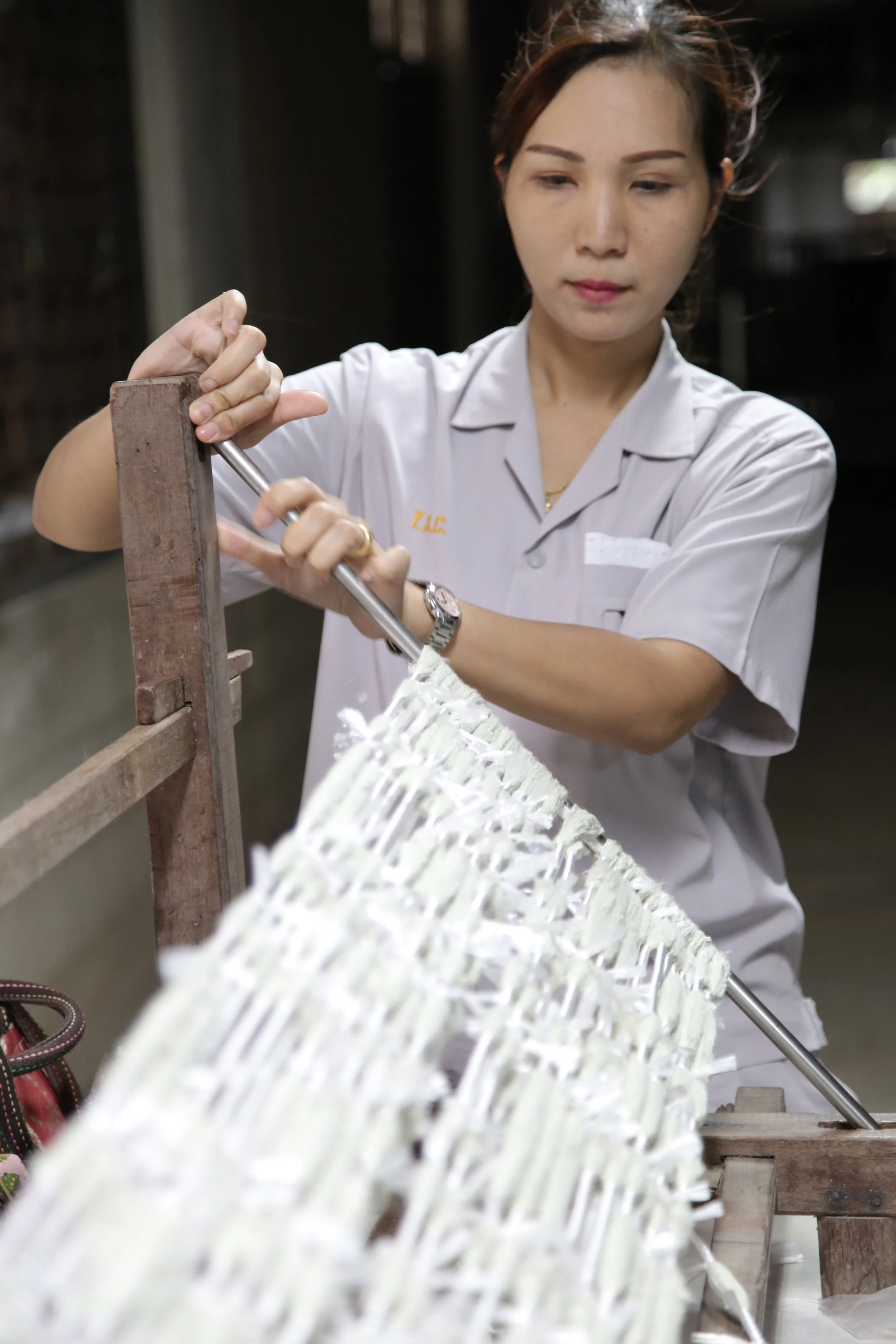
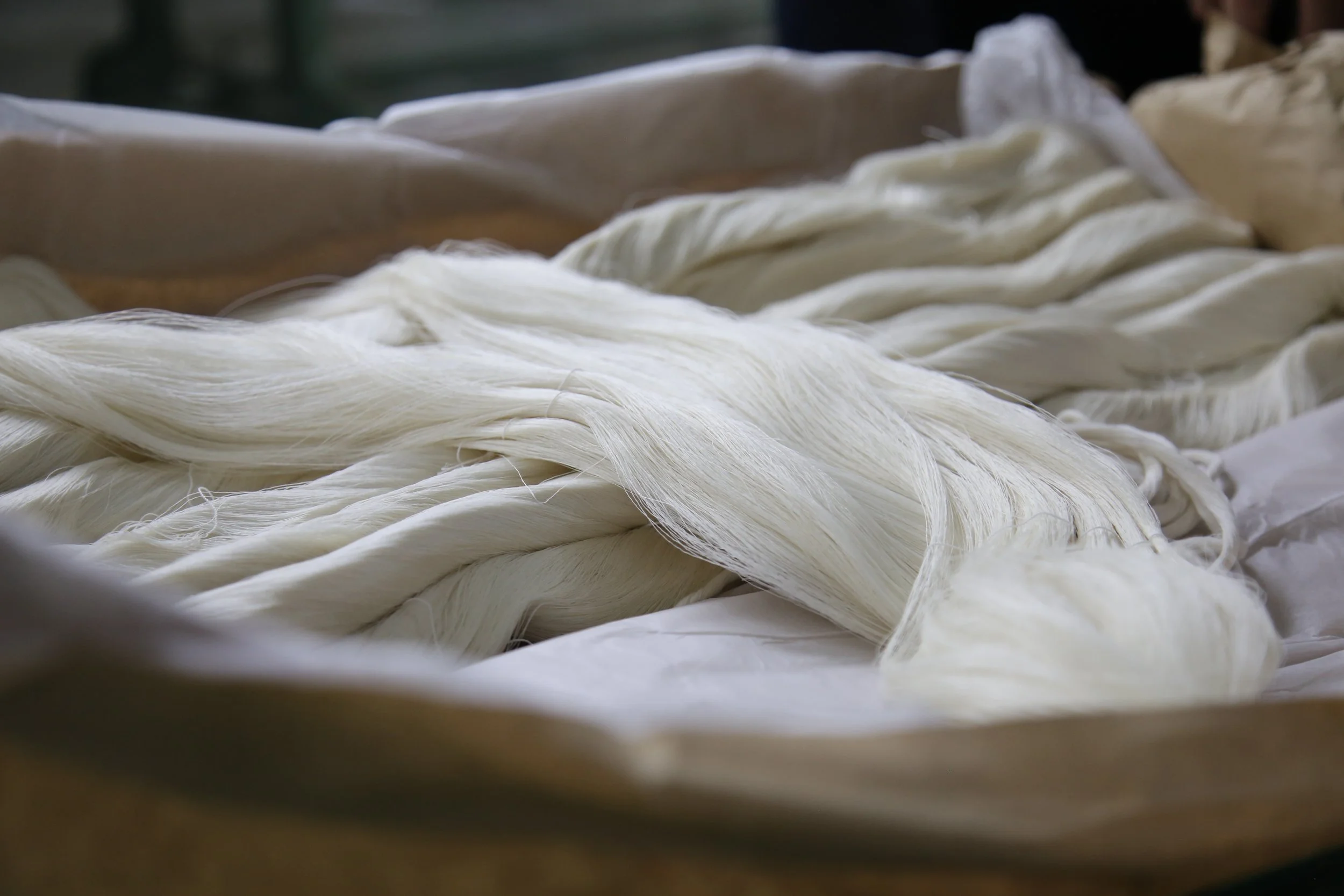
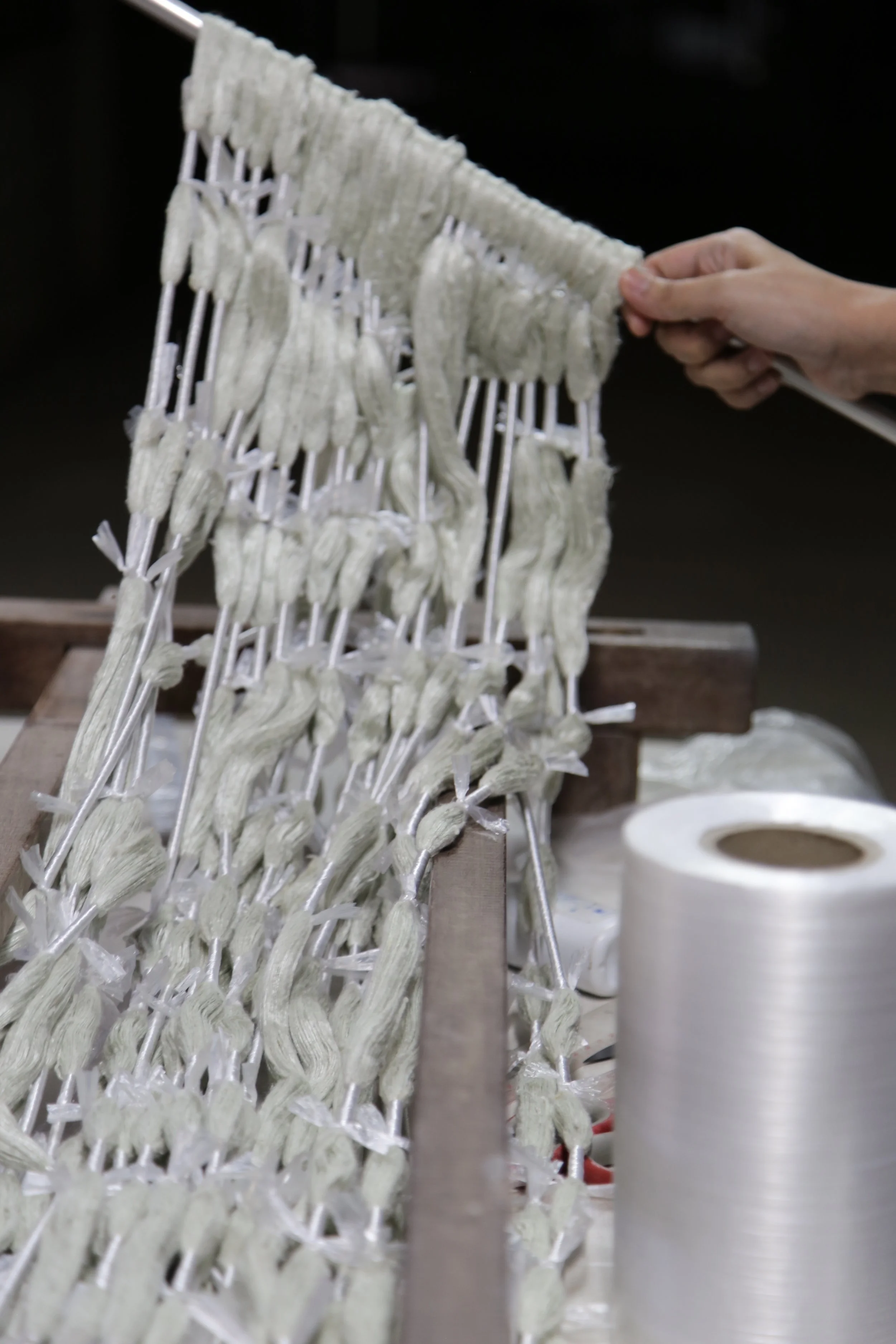
I loved every minute of the life he had left behind. A world of fantasy forever buried in the past.
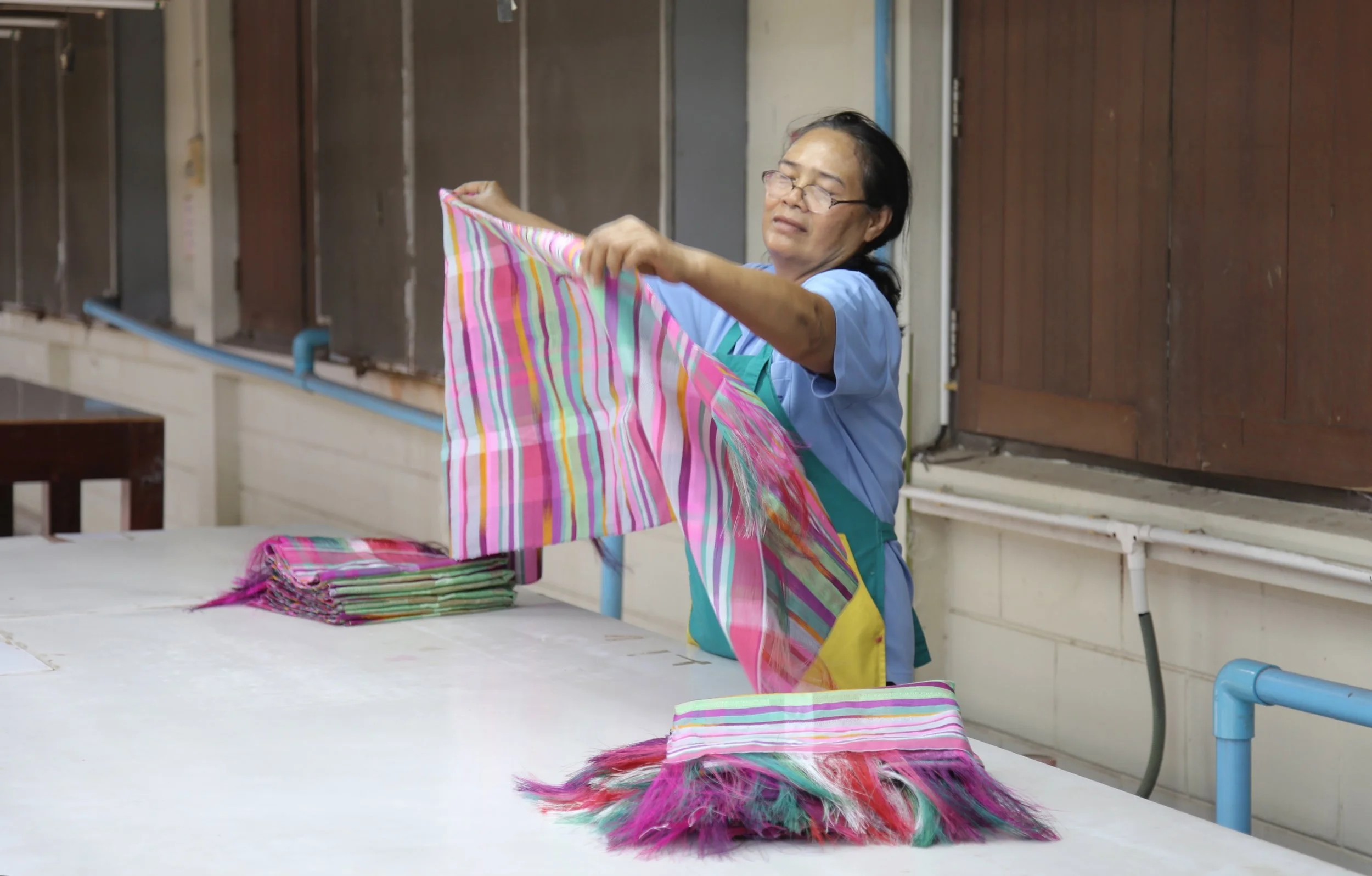
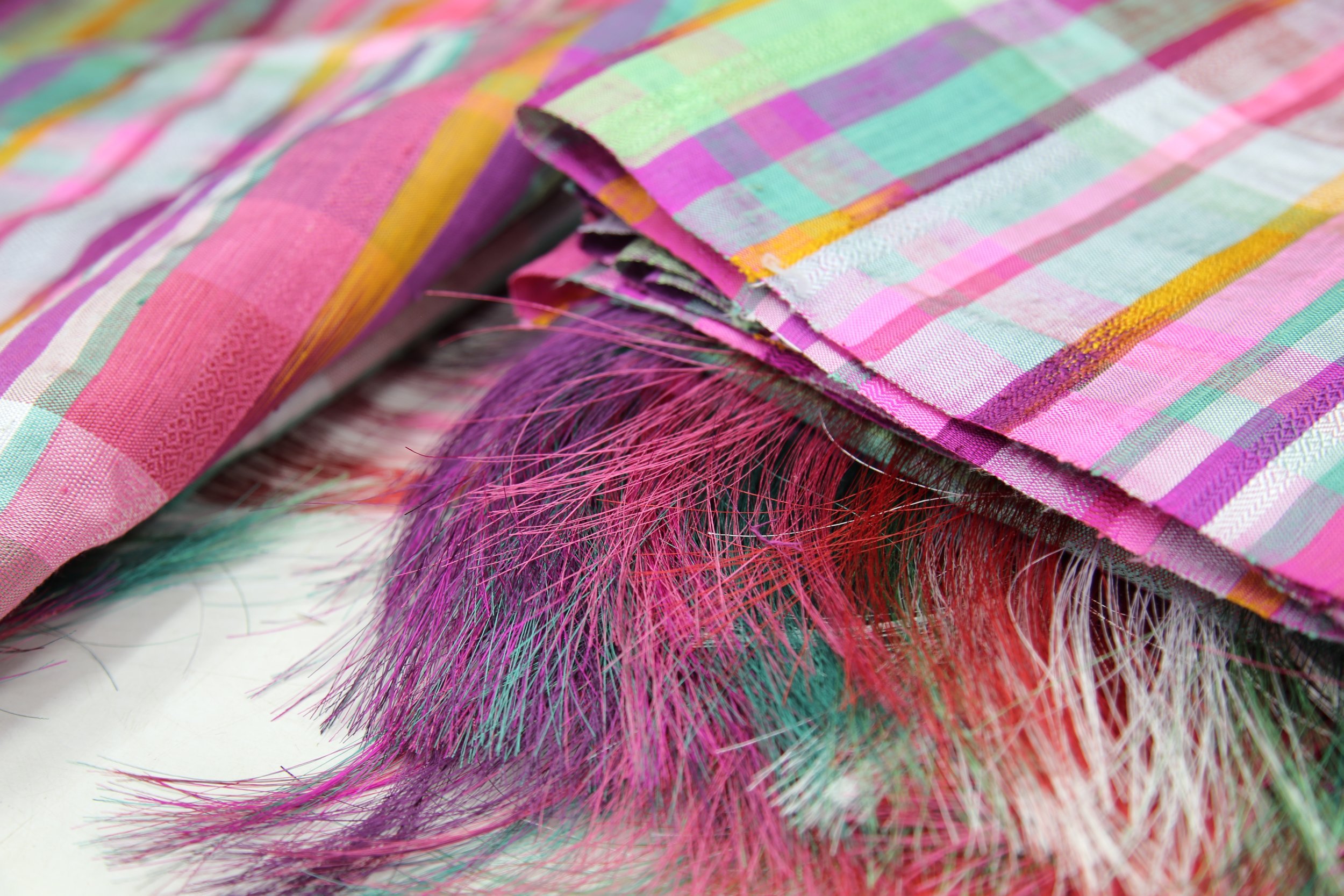
Thailand, Vietnam, Burma, Laos, Cambodia share the same tradition of weaving, and so I could pretend. I started my weaving journey at Jim Thompson in 2016 in his mostly abandoned factory in Issan province, a northeastern region on the Khorat Plateau, bordered by the Mekong River, rich with secular traditions of food, craft and agriculture. Even though Vietnam has an interesting hand-woven heritage, mostly from minorities, I had never really looked into it. I was more drawn toward hand-embroidery for SONG, the brand I curated for over 20 years.
The hand-embroidery workshops around Hanoi I once worked with have all faded away. Villages have become suburbs. The younger generation gone to surrounding factories, dreaming of a better world. Gone are the skills that could have been passed on by our SONG brodeuses.
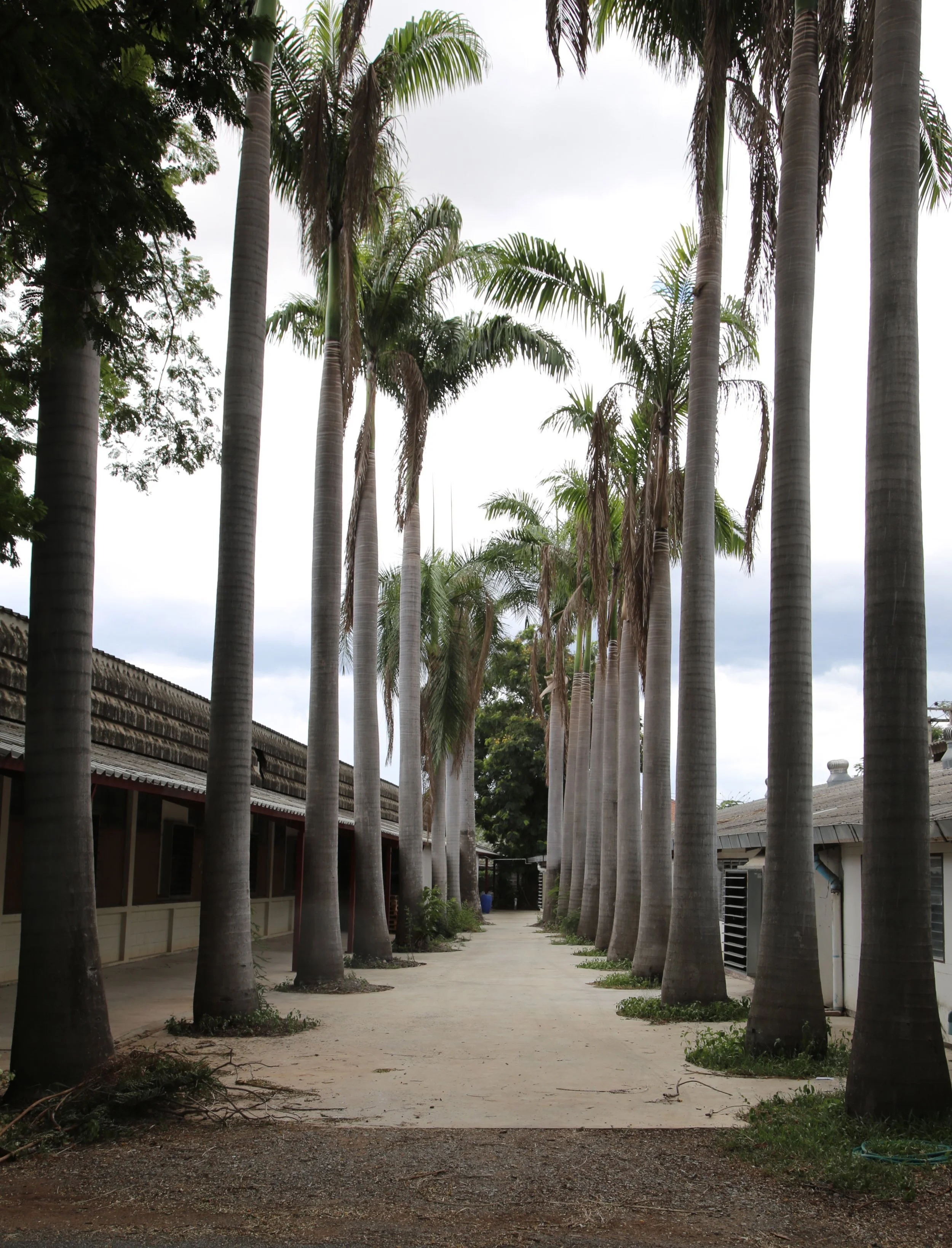
At the same time, I saw the same thing happening at Jim Thompson and its phantom Pak Thong Chai factory. The products that sell the best are imported goods from India or China. The weavers became obsolete. The factory, a burden. My point is not to criticise but to reflect on what is truly luxury.
Hermès, Vuitton, Dolce & Gabbana and the same are competing with Zara, H&M, Uniqlo and the lot, using the same weapons, the same marketing tools, while forgetting the true soul of luxury. Few years later, and by an amazing chance that seemed to take my life on another journey, I began working with a Japanese philanthropist. The group sent me to Laos to start LAO ORGANIC, an organic company working across farming, essential oils and hospitality. From there, I embarked on a new weaving story with Carol Cassidy, the queen of Lao Textiles and the most knowledgeable lady on Southeast Asian weaving techniques.