How can a 300-year-old tradition survive in modern times?
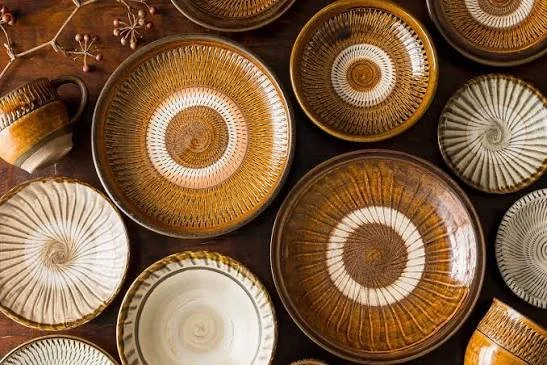
Ontayaki was formed in the mid-Edo period by two Kyushu potters, Sanemon and Jyuubi, influenced by the climbing kiln brought to Japan from China. The ceramic gained popularity with Yanagi Soetsu, the philosopher and founder of the Mingei folk craft movement (1926-45). One of the most significant achievements of the Mingei movement was to establish a revolutionary new style for middle-class living, combining old and new, east and west, rural and urban in a compelling hybrid that sought to meet the new economic and social conditions of early 20th-century Japan.
In the 1950s, world-renowned potter Bernard Leach worked in the village, studying Ontayaki and putting it on the international map. Although each piece is handmade and unique, the whole pottery-making process remains very reasonably priced and truly one of a kind.
Mr. Sakamoto has passed the trade to his son. The village settled something important a long time ago: only two wheels per workshop. That rule hasn't changed. In modern-day Japan, a father and son carry on the business exactly as their ancestors established it, quietly, without revision.
There is something in that worth sitting with. Not every tradition needs saving by making it more visible, more digital, more accessible. Some things survive precisely because the people keeping them alive decided not to explain themselves to the market.
Visit
Onta Village / Mr. Sakamoto / Tel +81 (0)993-29-2467
This is the kind of place that stays with you long after you leave it. If you're thinking about how craft, territory and heritage connect to the work you're doing, I'd love to hear from you.