I returned to Nevis after a twenty-one year gap. Being a citizen, I was able to land on the island in late 2021, while the world was still under COVID restrictions, on the condition that I stay in a small beach resort without contact for nine days.
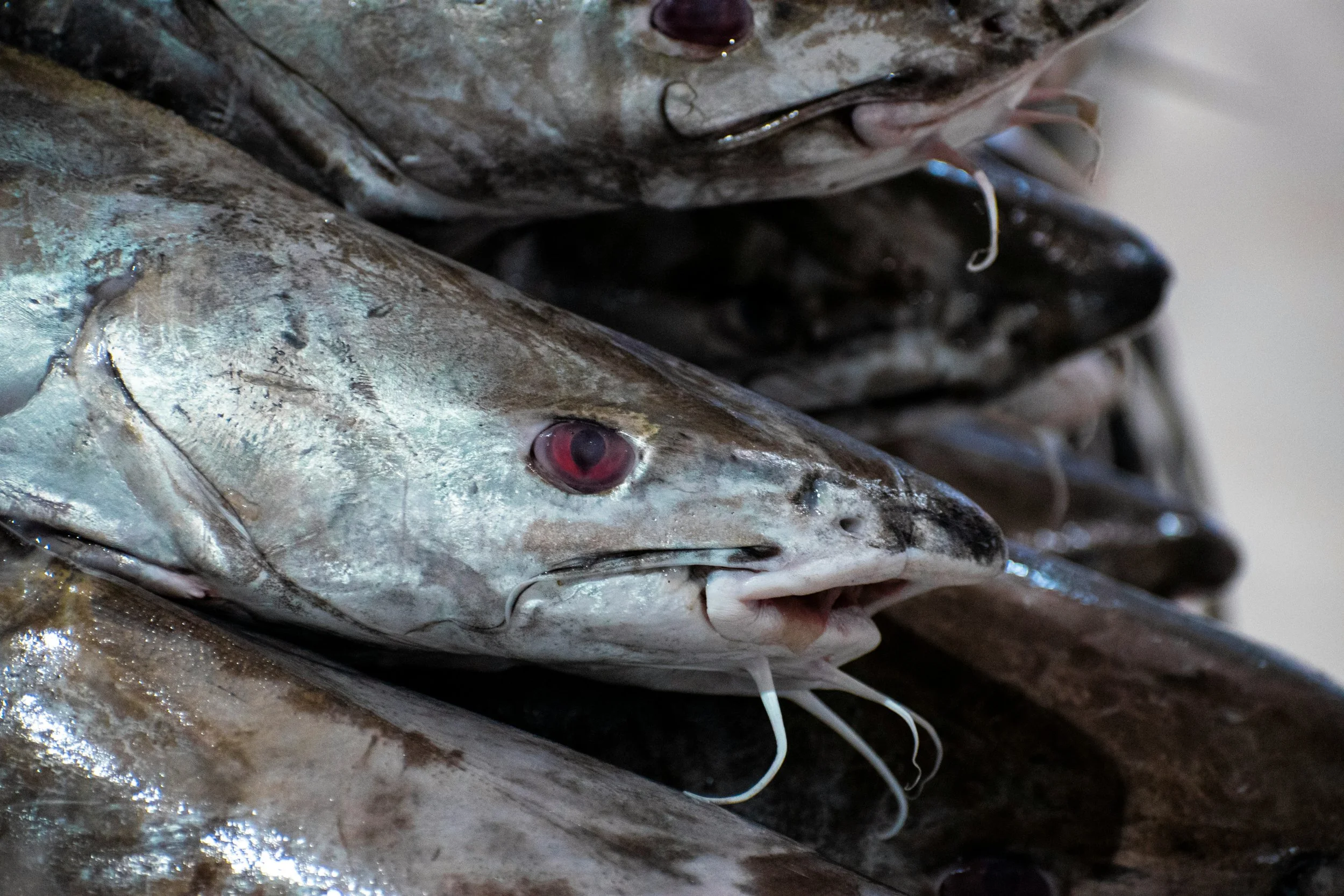
Listening to the distant New Year's Eve celebrations, I decided to treat myself to a local favourite: grilled wahoo. It arrived dry and tasteless. I later learned that an unexpected surge of tourists had left very little fresh fish on the island over the holiday season, and what I'd been served was pangasius, frozen, sealed and packed in Vietnam, sold by the local RAM supermarket. We are harvesting too many fish from the ocean. Not just for ourselves, but to feed farmed fish and livestock. Aquaculture production has more than doubled since 2000.
In Laos and Vietnam, most cultured fish feed comes from Peru, home to the world's largest fishery, where a small fish called anchoveta is caught at industrial scale. My New Year's Eve fish was fed with Peruvian anchoveta, raised in Vietnam, and served to me as a Caribbean catch of the day. I believe the world is now fed by this paradox.
In Vietnam, pangasius farms have taken over arable land across Ben Tre, polluting soil and the water table, while local fishermen push further and further offshore just to catch their daily bread.
If we were better informed about what was really on our plates, would we still order pangasius in the Caribbean? Would demand fall? Would workers in Ben Tre eat better, off their own soil?
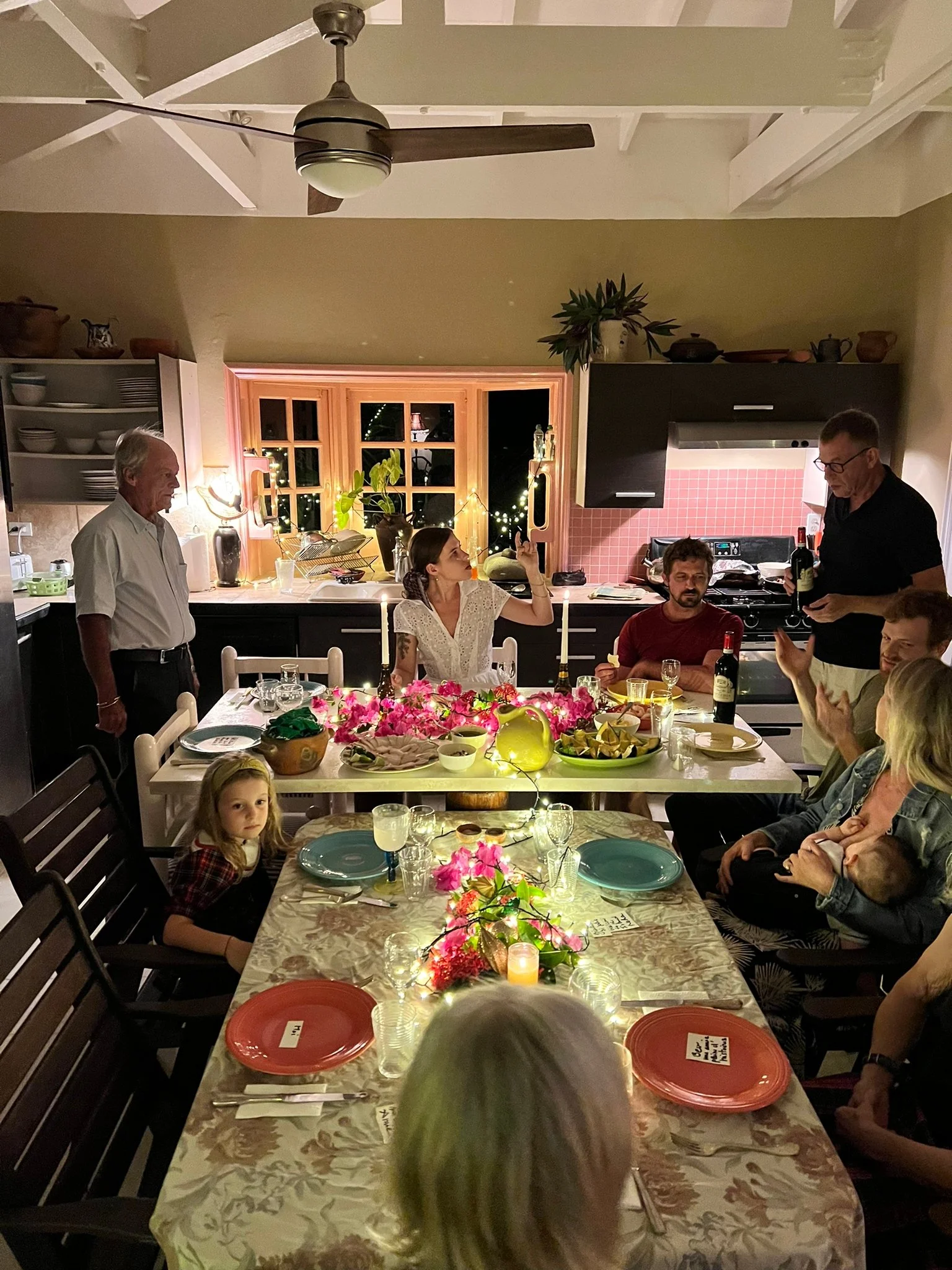
This year, we celebrated with cold-smoked wahoo from Charles Gaskell, a true Nevisian fisherman. Merry Christmas, and a happy new year to all.