The marketing surrounding large wine Domaines has been so loud that it has detached wines from their anthropized environments and blurred the reality of our Grands Crus.
I was initiated into the world of natural wines by Laurent Severac, an essential oil distiller and perfumer based in Hanoi, and discovered a world of passionate strangers working hard to get the best out of Nature, with respect and authenticity.
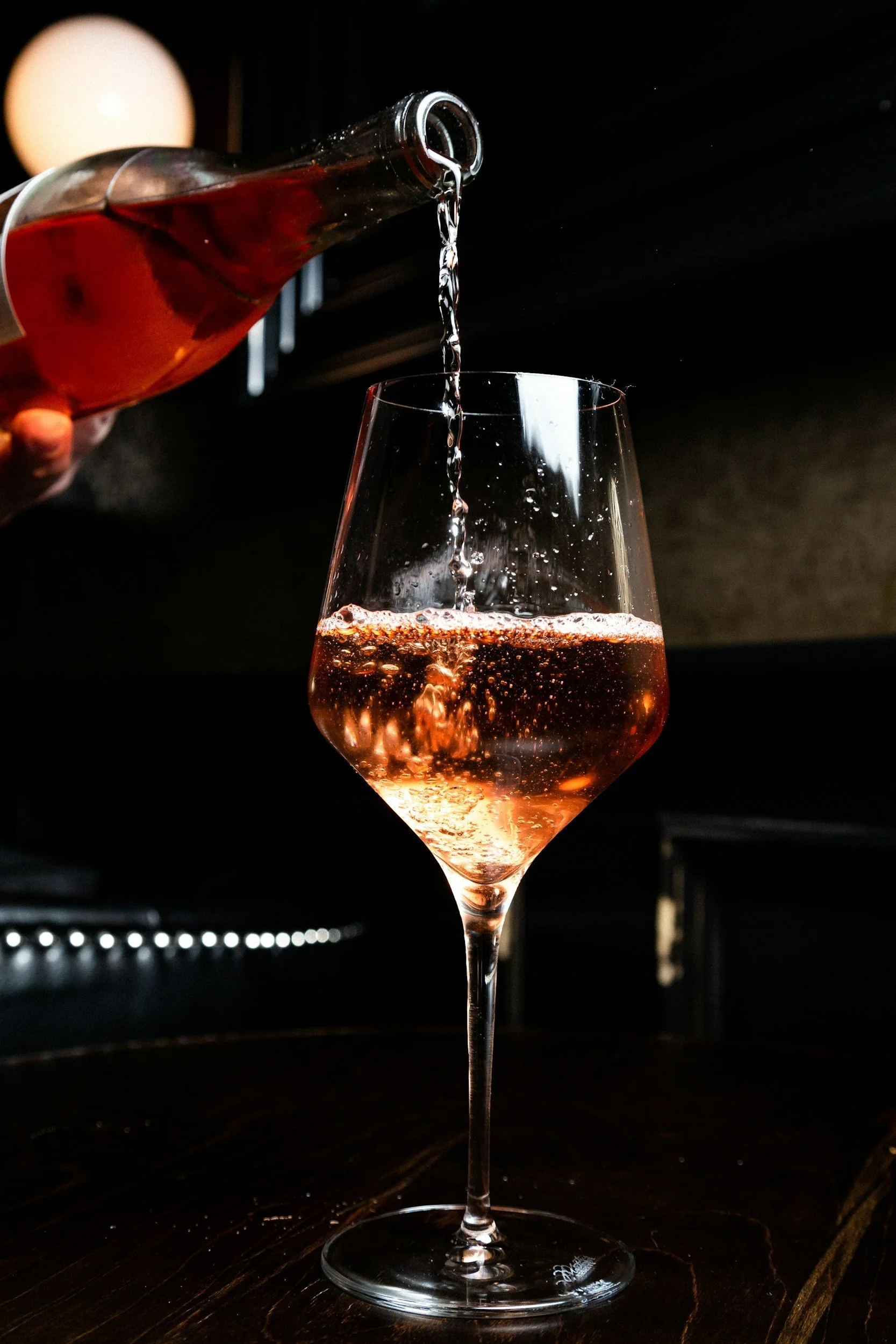
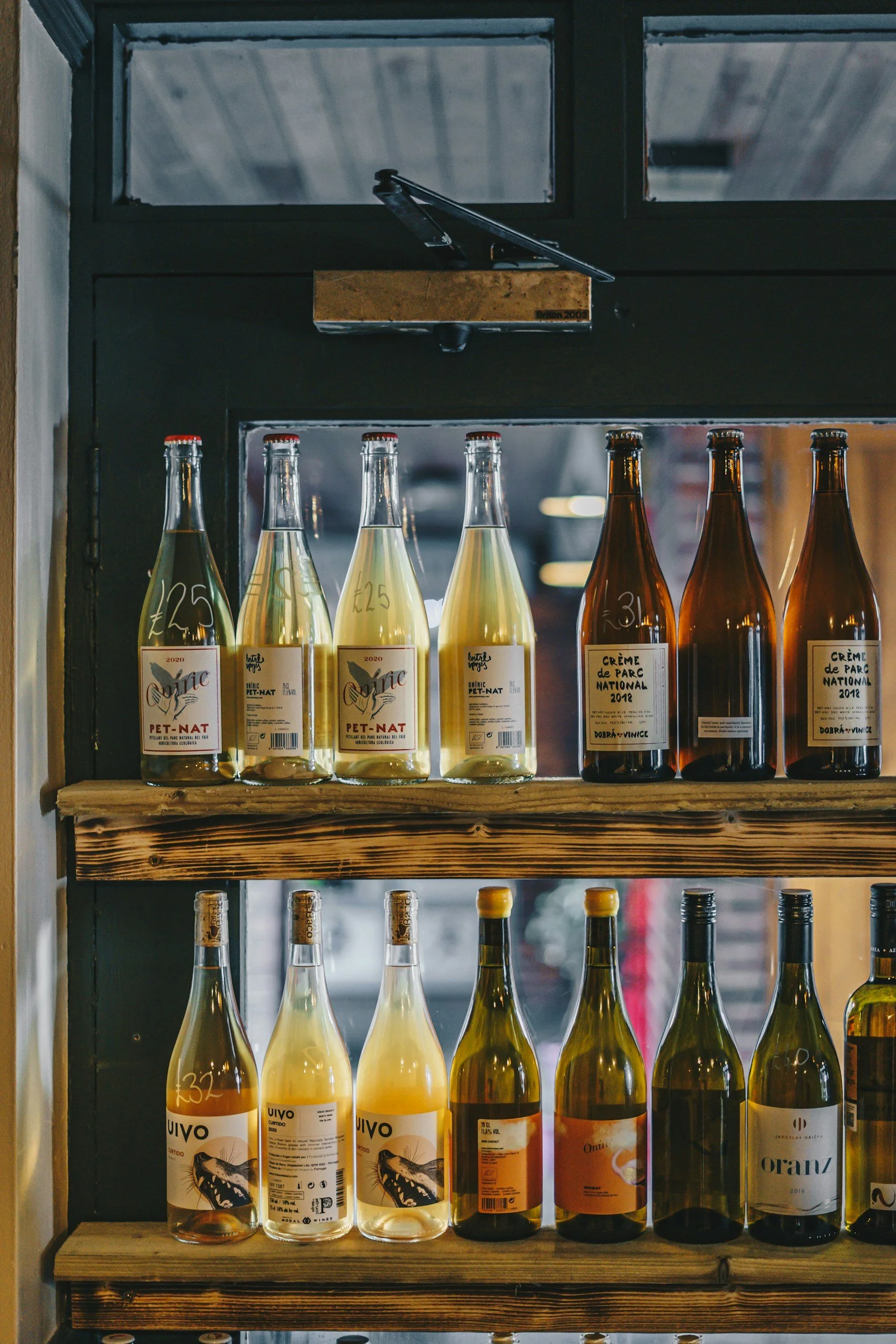
Natural wines, made of earth, rain, stones, grapes, and above all, human good care, open up to the immense gift of Nature. SAINS wines, which translates roughly to "no additives whatsoever," are the epitome of the natural wine group, ranging from Organic to Biodynamic to Natural. The purest of the group, and by far the most authentic, with solely the intense flavor of the cépage they are made from.
The Island
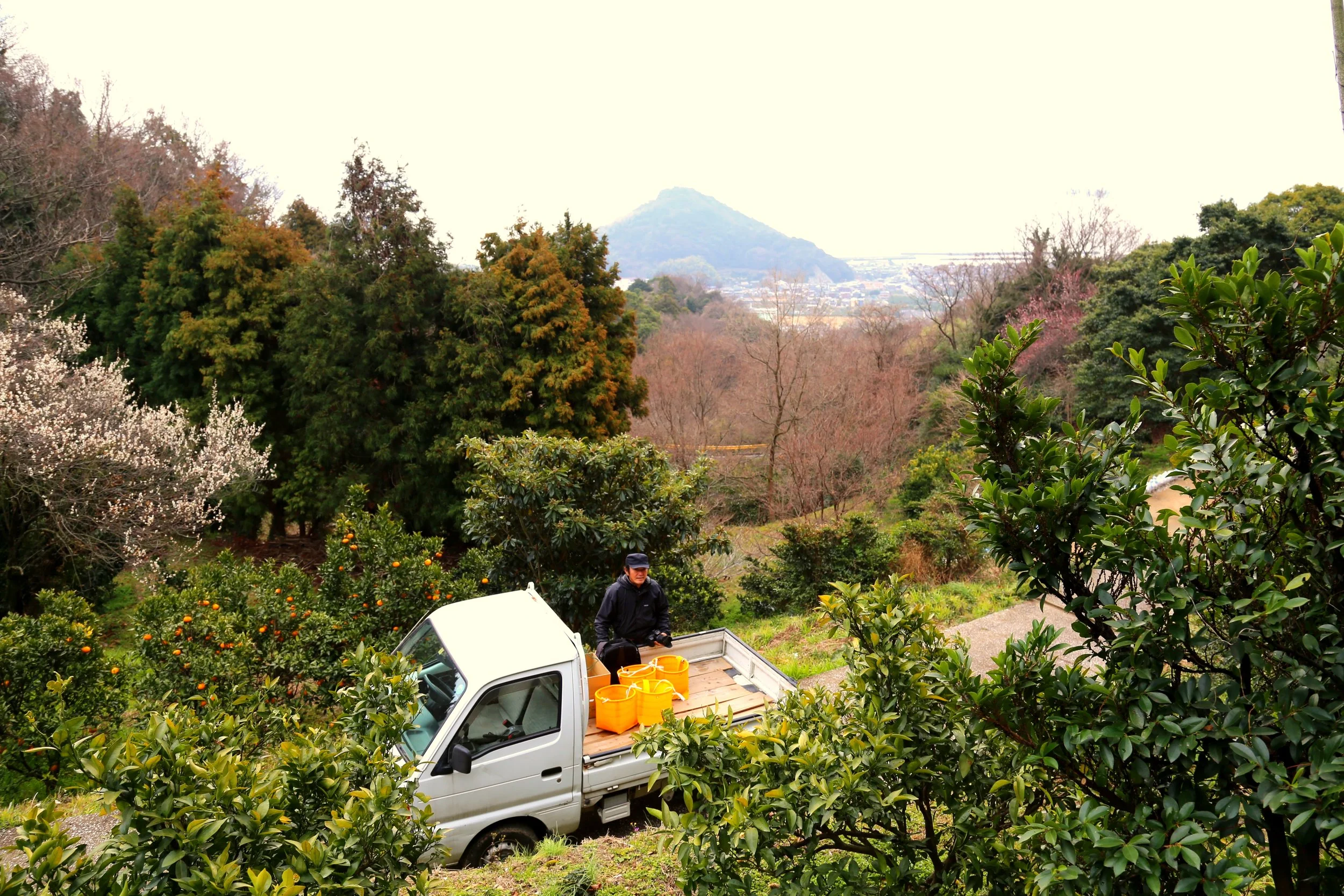
Suo Oshima is an island nestled on the shore of the southern Seto Nai Kai, Japan's inner sea. The atmosphere shifts as soon as you cross the Seto Ohashi bridge, into what feels like a traditional lifestyle within well-preserved nature. But the popular Mikan (mandarin) farming of the past 40 years has taken a toll on the island's biodiversity.
Today, young neo-farmers and pioneers are moving in, embracing the challenge of restoring soils while championing natural farming.
Hideya & Chinami Matsumoto
Hideya and Chinami Matsumoto are among those pioneers. Matsumoto trained as an engineer and winemaker at Yamanashi University, where his professor Mr. Yoshihide Yamawaka, who developed the Yamasou Biniou grape, a red wine variety adapted to Japan's climate, helped bottle the very first harvest.
Matsumoto went on to work at the Furano winery in Hokkaido and the Nakaizu winery in Shizuoka before settling on Suo Oshima in 2013. Always drawn to "stress-free plantation" without the constraint of labels, he purchased a farm and began growing grapes and mikans on poor soil, battered by years of chemical fertilizers, herbicides, and pesticides.
His focus has been on restoring the land, mixing clean and old soil, adding green manure and seaweed, which should open the door to producing natural wine within the next few years. His 150 trees, standing tall on the mountain's edge, are all Yamasou Biniou, a blend of Cabernet Sauvignon and mountain grapes.
The BUDO Natural Wine Project
The BUDO Natural Wine Project is now part of the Blue Academy Project, showcasing alternatives to traditional agricultural practices by empowering the next generation and reinforcing the work pursued by Oshima's neo-farmers: turning Suo Oshima into a 100% natural, chemical-free island.
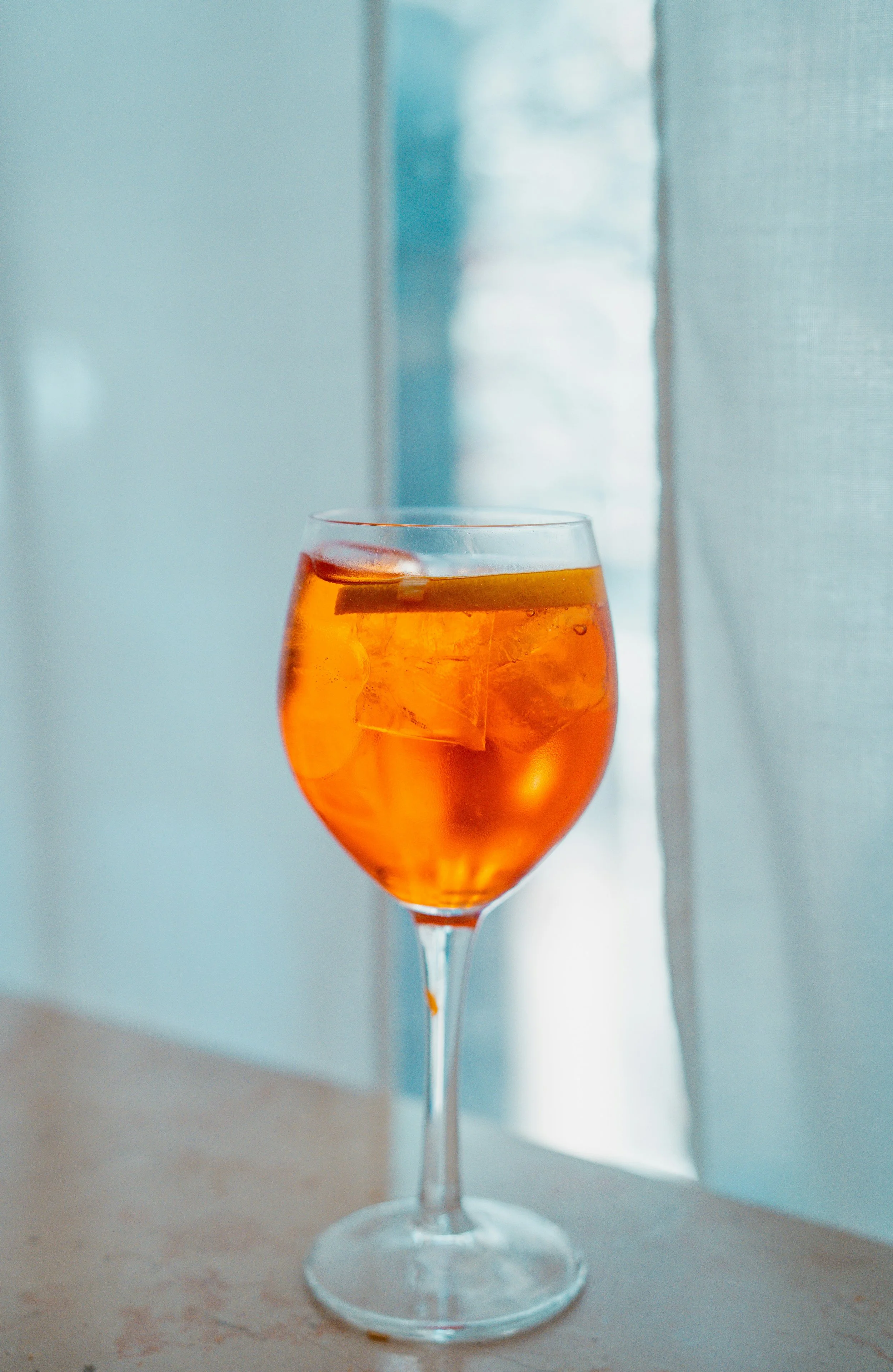
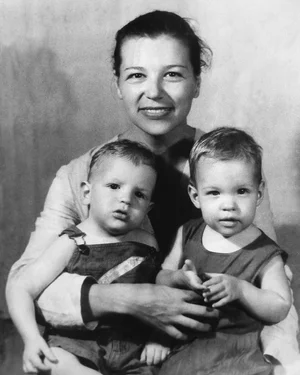
Matsumoto and the BUDO project will also produce a Mikan Natural Wine, which happens to be a specialty of my French grandmother Yolande, raised in Algeria's orange groves. Her recipe is below.
Day tours can be organized from Murozumi by boat or car. Contact us here.
Vin d'Orange, From Chevreuil, AlgeriaMy grandmother Yolande's recipe.
Makes 5 liters
You'll need:
5 liters of white or dry rosé wine (Natural or SAINS preferred)
10 organic oranges
0.5 liters of eau de vie (clear fruit brandy), cognac, whisky, or 90% alcohol
600g raw sugar
2 vanilla pods
2 cinnamon sticks
2 drops of neroli essential oil, or a small bunch of neroli flowers macerated for up to 24 hours
Method:
Peel the oranges with a peeler, collecting as little of the white pith as possible. The pith absorbs the wine without adding flavor. Let the peels dry in the sun for about a month.
In a ceramic pot or wooden barrel, combine the eau de vie, dried peels, wine, sugar, vanilla pods, cinnamon sticks, and neroli.
Let macerate for one month, stirring regularly. The recommendation is to create a vortex for at least one minute, two to four times a week.
Enjoy, and merci, Mamie. 🍊