Daisuke was a stubborn teenager. At twelve, he told his parents he wanted to study abroad. His mother, a shop owner, and his father, an optometrist, didn't know what to do with this request from their son, a kid in short pants and a baseball cap. They assumed he'd forget about it and stay on the expected path.
He didn't forget. At thirteen, he bought a train ticket to Tokyo and went to the Australian Embassy to get a list of every high school in Western Australia. He sent fifty letters in broken English and got back two invitations from schools that didn't require an entrance exam. At fourteen, during summer holidays, he flew to Brisbane to see them for himself. The first one, Warwick High School, turned out to be deep in the bush and nearly blew his entire travel budget getting there. He went anyway. The next year, he enrolled as a boarder and started living independently. He went on to study at Griffith University, until the 2008 financial crisis brought him back to Japan.
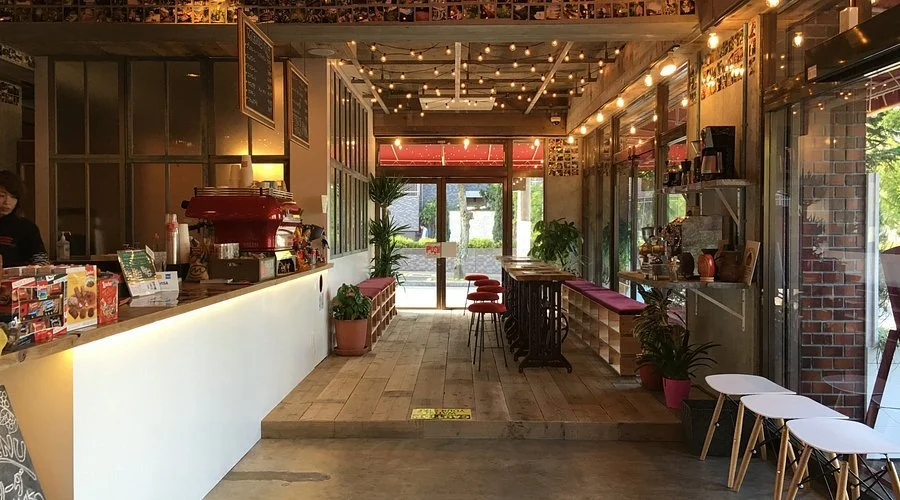
As a consumer, I'm mostly drawn to organic products and the business models behind them, what's actually being explored, not just sold. I was first brought to Milton Coffee five years ago, on a trip to Shunan, in Yamaguchi province.
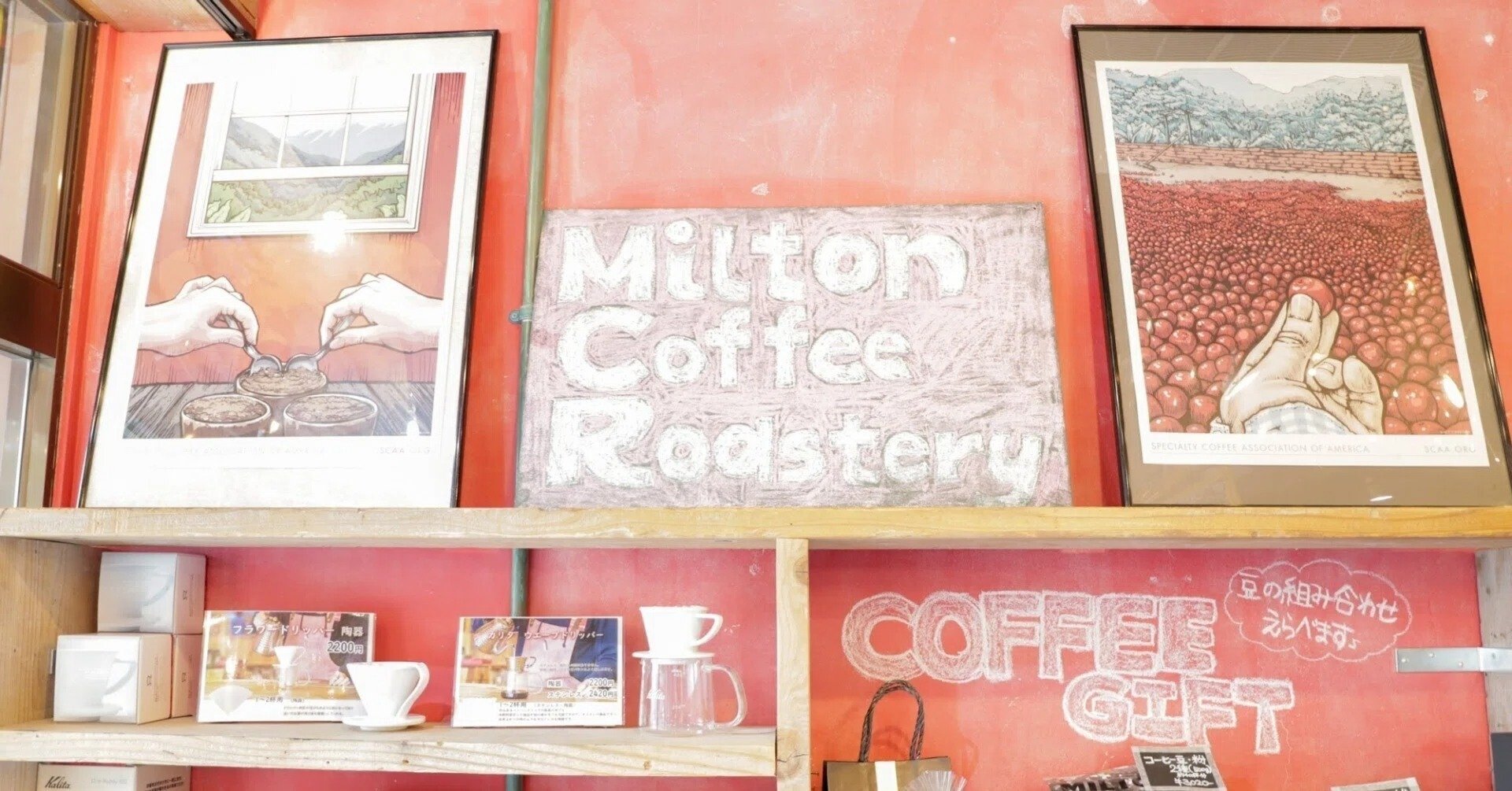
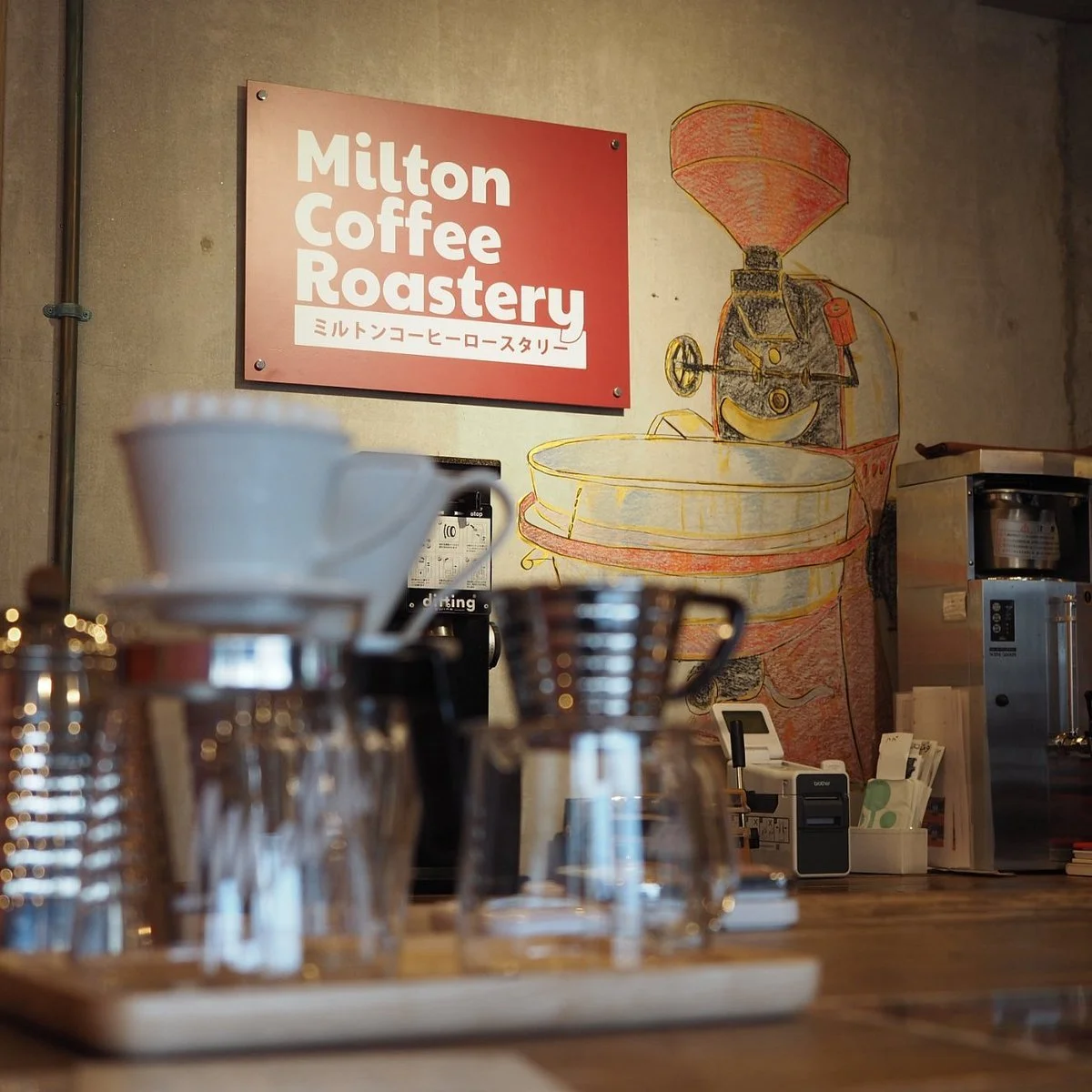
White letters on a red background. The Milton Coffee Roastery logo and shop don't give much away at first glance. A trendy place, a little messy with posters advertising a whole spread of sweet coffee temptations, the interior a mix and match style that seems to have grown organically out of its own success.
Look closer at the coffee menu, though, and it's clear this isn't only about organic coffee. It's about people. Producers sit at the center of Daisuke Tanaka's business, and Tanaka has the quality the Japanese value most: curiosity. It's what keeps his ideas and his creativity moving.
Once home, he stressed his parents out all over again, this time with plans to start his own business. Once again, he was turned down: too young, too inexperienced, no financial backing. So he settled for a sales job at a large corporation. For two years as a salaryman, he never stopped thinking about that business idea. Since success felt non-negotiable, he started looking at the world's most traded commodities. After crude oil came coffee, a world he barely knew, beyond the bad iced coffee he and his friends drank in university.
He decided to actually study it. He met a Japanese judge for the Cup of Excellence, the premium coffee competition and auction, and that's when he saw how the market really worked. Middlemen buying up an entire country's coffee harvest a year in advance, while the farmers themselves had no idea what their own crop was actually worth in the wider trade they were part of.
Quality on organic farms varies parcel to parcel, year to year. Until now, only the middlemen had the knowledge to properly judge it, to separate the beans, to enter them into competitions and auctions and sell at full market price.
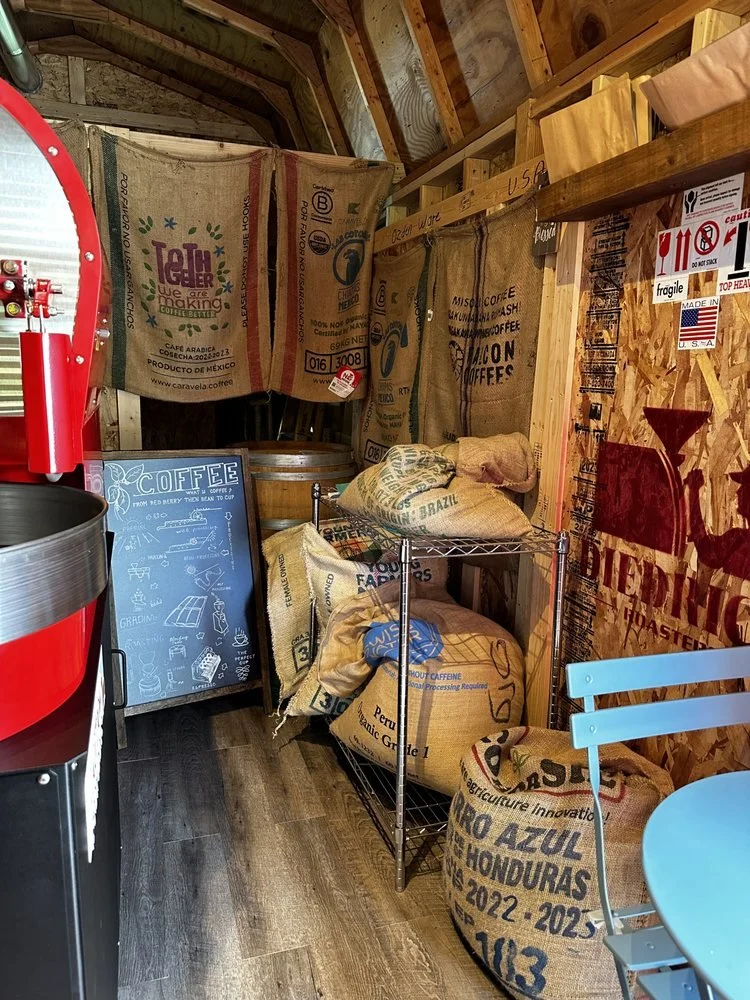
As a Blue Economy warrior, Tanaka set out to change that. He works directly with organic coffee producers from Guatemala to Colombia, Ecuador to Nicaragua, teaching them cupping, the coffee world's version of oenology, the real way to determine what a bean is worth. He buys straight from the farms, at market price, no middleman in between.
Milton Coffee is growing steadily and could be close to going global. But what matters more is what it might inspire elsewhere: an industry where half the market controls the other half by keeping farmers isolated and uninformed. Farmers need to know where the world is heading, toward better quality, toward Arabica, toward organic, so they can shape their own production and their own standard of living, in a way that's good for their communities and their land too.
miltoncoffee.com
Daisuke Tanaka, daisuke@uniginal.com